Hearing the word cancer, or even the chance of it, is frightening. Most people arrive with the same questions. What is this? How serious is it? What are my choices? Dr. Su’s job at your first visit is to answer them in plain language, with your own scans and reports in front of you.
Cancers Dr. Su treats
Prostate cancer
From a high PSA test through diagnosis and every treatment option, including close monitoring for slow-growing cancers.
MRI fusion prostate biopsy
A biopsy guided by your prostate MRI, so the needle is aimed at the areas that look suspicious.
Robotic prostatectomy
Removal of the prostate through a few small incisions, sparing the nerves for erections when the cancer allows.
Kidney cancer
Often found by chance on a scan. When she can, Dr. Su removes only the tumor and saves the rest of the kidney.
Bladder cancer
The most common warning sign is painless blood in the urine. It is checked with a scan and a quick look inside the bladder.
Testicular cancer
The most common cancer in men 20 to 35. It often shows up as a painless lump, and it is usually very treatable.
How Dr. Su approaches cancer care
Dr. Su completed a fellowship in robotic surgery and urologic oncology at the John Wayne Cancer Institute in Santa Monica, after her urology residency at Yale School of Medicine. Her practice centers on surgery for prostate, kidney and bladder cancer, and she also treats testicular cancer. Every plan is tailored to the person and to the tumor.
She looks at everything first
Your scans, lab results and any biopsy or pathology reports. She goes through the images with you, so you can see what she sees.
She explains all of your options
Including the ones that don’t involve surgery, such as close monitoring, radiation or medicine. The right choice depends on your cancer, your health and what matters most to you.
She works with your cancer team
Many cancers are best treated by more than one specialist. Dr. Su works closely with medical oncologists and radiation oncologists when your care calls for it.
Surgery, when it is the right choice
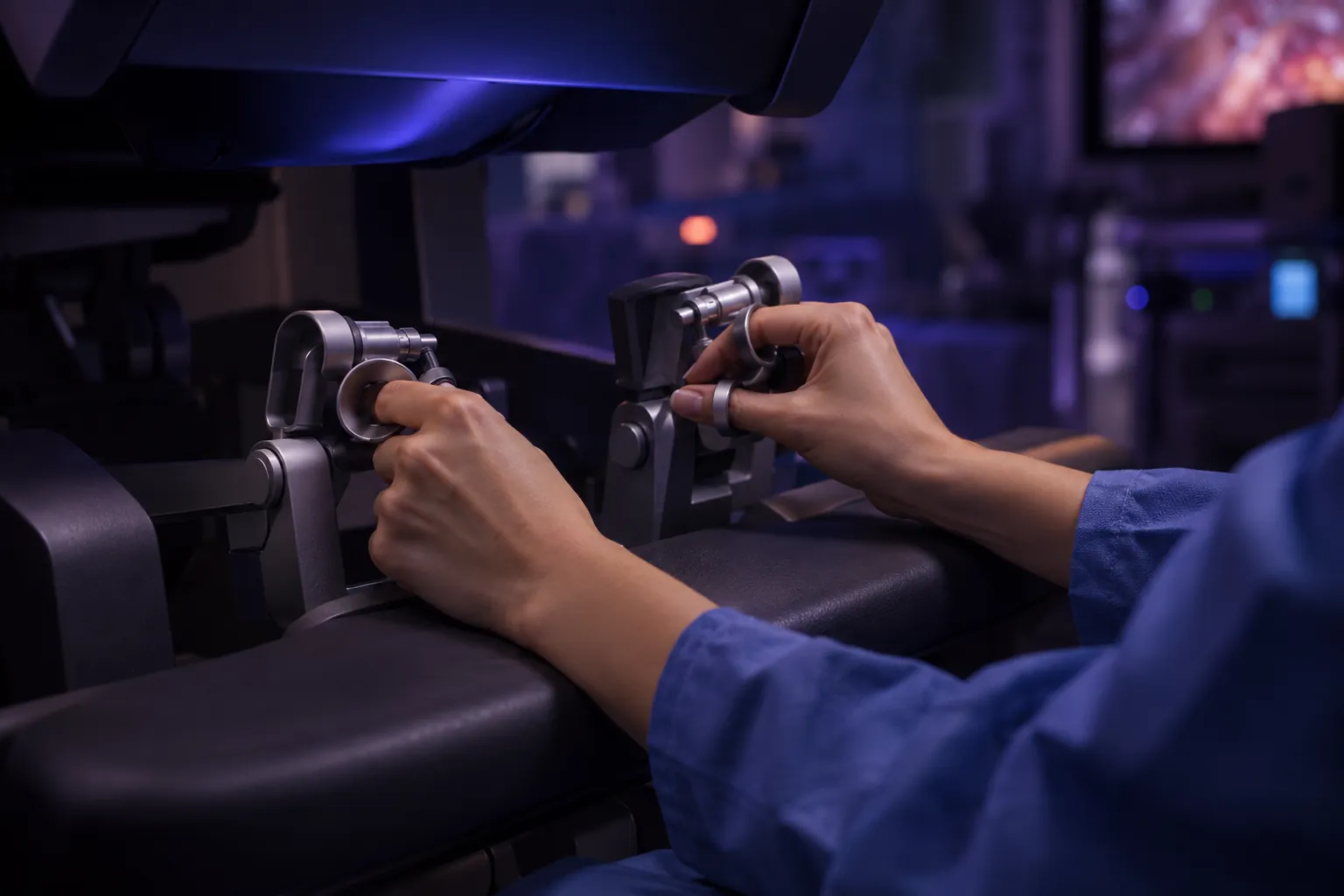
She uses robotic and other minimally invasive techniques when they fit your situation, and open surgery when they don’t.
Follow-up that continues
After treatment, regular checkups and tests watch for any sign that the cancer has come back.
If you just had an abnormal test
A high PSA, blood in the urine, a spot on a kidney scan or a lump in a testicle does not always mean cancer. Many of these turn out to be something else. Each one does deserve a careful look, and sooner is better than later. These articles explain what usually happens next:
What to bring to your first visit
- Reports
- Pathology, biopsy, lab and PSA results
- Imaging
- CT, MRI or ultrasound reports, and the images on a disc if you have them
- Medicines
- A current list, including any blood thinners
- Support
- Your written questions, and a family member or friend if you like
Questions patients ask
Does a cancer diagnosis mean I need surgery?
Not always. Some slow-growing cancers, such as many low-risk prostate cancers and some small kidney tumors, can be watched closely instead of treated right away. Others are best treated with radiation or medicine. Dr. Su will explain which options fit your cancer, including the ones that don’t involve surgery.
Who else might be involved in my care?
Depending on your cancer, your team may include a medical oncologist (who oversees chemotherapy, immunotherapy and hormone therapy), a radiation oncologist, a radiologist who reads your scans and a pathologist who examines tissue samples. Dr. Su works closely with medical and radiation oncologists so your care fits together.
Where does Dr. Su see patients?
At three offices: Long Beach, Koreatown and Beverly Grove. Insurance acceptance differs between offices, so please call the one you plan to visit. See offices and directions and insurance.